
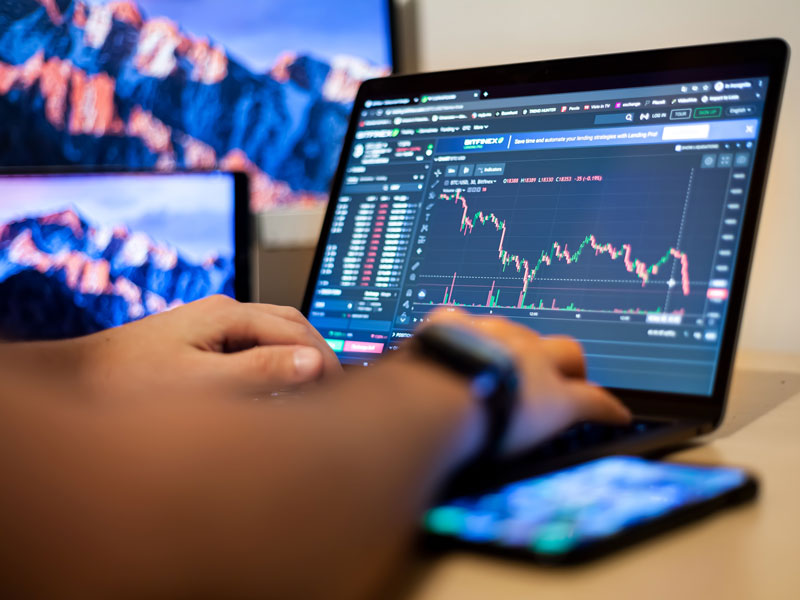
When engaging in the world of forex trading, one term that frequently comes up is « swap. » A what is swap in forex trading Trading Area NG swap is an integral part of trading that every forex trader should understand to make informed decisions and optimize their trading strategies. But what exactly is a swap in forex and why is it so important? In this article, we will explore the concept of swap, how it is calculated, its impact on trading, and some strategies to manage or even profit from it.
What is Swap in Forex?
In the forex market, a swap is an interest rate differential between the two currencies in a currency pair that is rolled over to the next trading day. When a trader holds a position overnight, they are subject to this interest rate differential, which may be either positive or negative depending on the interest rates set by the central banks of the respective currencies involved. Essentially, a swap can either be an additional cost or a source of profit.
How Swap Works
When you open a position in forex, you are effectively borrowing one currency to buy another. The interest rates associated with each currency will determine whether you will receive a swap (if the interest rate of the currency you are borrowing is lower) or pay a swap (if the interest rate of the currency you are borrowing is higher). This means that swap rates can be influenced by several factors, including economic conditions, monetary policy decisions, and political events.
Calculation of Swap Rates
Swap rates are typically calculated based on the notional value of the position and the difference between the interest rates of the two currencies involved. Brokers will usually have specific swap rates that they apply based on their liquidity providers, and these rates can vary significantly from one broker to another.
To calculate the swap, traders can use the following formula:

Swap = (Notional Value x (Interest Rate of Base Currency - Interest Rate of Quote Currency) / 365) x Position Size
This calculation reflects the fact that swaps are typically calculated on a daily basis, meaning that the longer you hold a position, the more swaps can accrue. Understanding this calculation is crucial for traders who hold positions overnight or for extended periods.
Types of Swaps
There are generally two types of swaps in forex trading: positive and negative swaps.
Positive Swap
A positive swap occurs when the interest rate of the currency you are buying is higher than the interest rate of the currency you are selling. In this case, you will earn interest for holding your position overnight. Many traders often look for currency pairs that offer positive swaps, as they provide an additional income stream.
Negative Swap

A negative swap, on the other hand, happens when the interest rate of the currency you are buying is lower than the interest rate of the currency you are selling. This means that you will incur a cost for holding the position overnight, which can eat into potential profits. Traders need to be mindful of this if they intend to hold trades longer than a day.
The Importance of Swap in Forex Trading
Understanding swap is crucial for several reasons:
- Cost Management: Swaps can significantly influence the overall cost of a trade. If you are unaware of the swap rates associated with the positions you are holding, you could end up incurring substantial costs that reduce your profitability.
- Profit Opportunities: Some traders use swap rates to their advantage by strategically choosing currency pairs with favorable swaps. This can create additional revenue streams through interest payments.
- Risk Assessment: Being aware of swap rates allows traders to better assess the risks associated with holding positions overnight. This can inform their decision on whether to close a position before market close on any given day.
Strategies for Managing Swaps
Here are a few strategies that can help traders manage swaps effectively:
- Choosing the Right Broker: Different brokers have different swap rates. It is essential to compare brokers and their respective swap rates before committing to a trading account.
- Utilizing Swap-Free Accounts: Some brokers offer swap-free accounts, also known as Islamic accounts, which can be beneficial for those who wish to avoid all interest payments.
- Staying Informed: Keeping abreast of central bank announcements and economic reports can help traders anticipate changes in interest rates, which in turn will inform their swap predictions.
Conclusion
In summary, a swap in forex is an important aspect of trading that can either contribute to your profits or increase your costs depending on the positions you hold. By understanding how swaps work and implementing strategies to manage them, you can enhance your overall trading performance. Whether you’re a beginner or a seasoned trader, it’s essential to factor swaps into your trading strategy to achieve the best possible outcomes in the forex market.